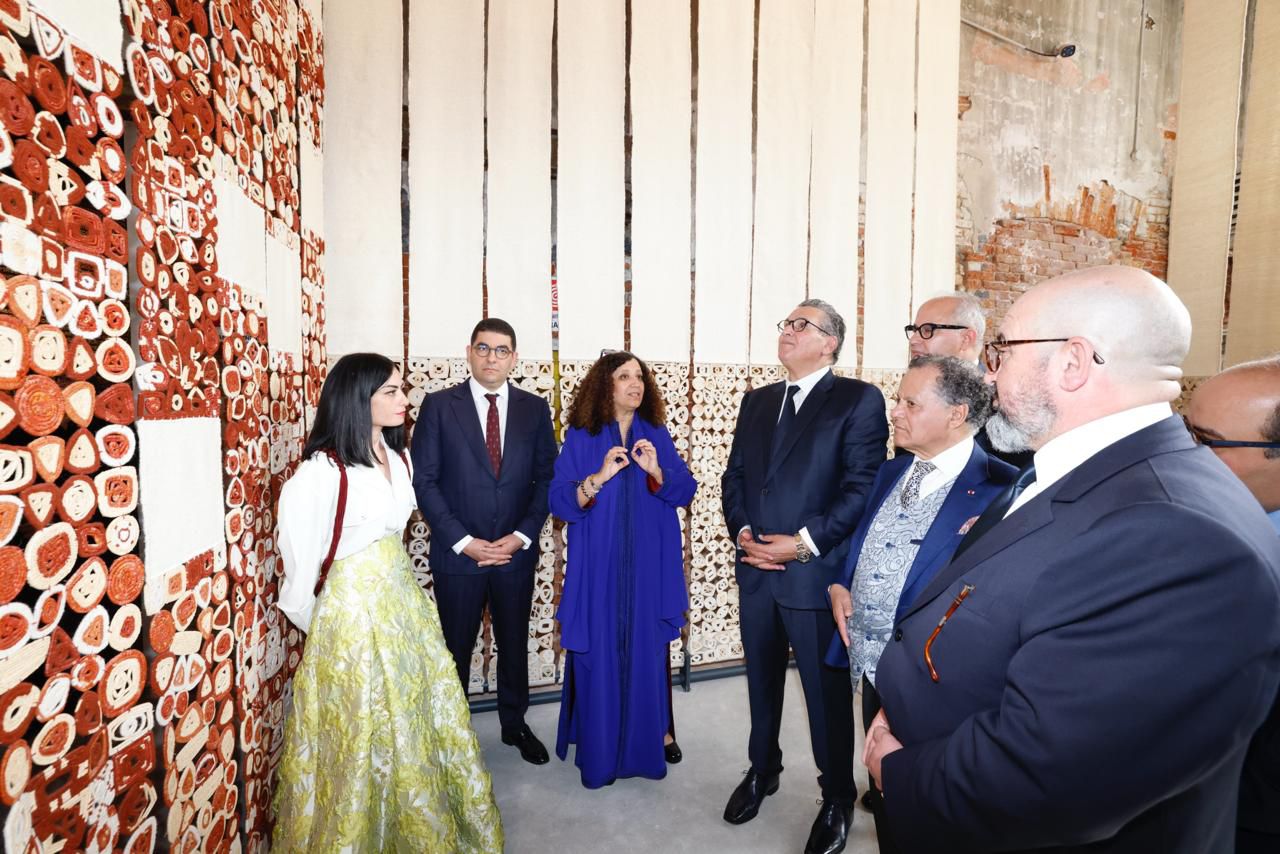
📷 © Hespress / القوات المسلحة الملكية — البنتاغون، 16 أبريل 2026
🌐 تحليل جيوسياسي حصريAnalisi Geopolitica EsclusivaExclusive Geopolitical AnalysisAnalyse Géopolitique Exclusive
🗺️ علاقات دولية · جيوسياسةRelazioni Int'l · GeopoliticaInt'l Relations · GeopoliticsRelations Int'l · Géopolitique
المغرب بين قطبي العالم الجديد:
فرصة تاريخية أم شفا هاوية؟
Il Marocco tra i due poli del nuovo mondo:
Opportunità storica o sull'orlo del baratro?
Morocco Between the New World's Two Poles:
Historic Opportunity or Edge of the Abyss?
Le Maroc entre les deux pôles du nouveau monde :
Opportunité historique ou au bord du gouffre ?
في زمن يتشقق فيه النظام الدولي على إيقاع التنافس الأمريكي الصيني، يجد المغرب نفسه في قلب المعادلة — لا هامشاً ولا ضحية، بل لاعباً استراتيجياً يُعيد اكتشاف ثقله يوماً بعد يوم. اتفاقية دفاعية مع واشنطن تمتد حتى 2036 ونظام اتصالات حصري لحلف الناتو، مقابل أكثر من 10 مليارات دولار استثمارات صينية في قلب اقتصاده. كيف تدير الرباط هذا التوازن الدقيق؟
In un'epoca in cui l'ordine internazionale si frantuma al ritmo della rivalità USA-Cina, il Marocco si trova al centro dell'equazione — non come margine né come vittima, ma come attore strategico che riscopre il suo peso ogni giorno. Un accordo di difesa con Washington fino al 2036 e un sistema di comunicazione esclusivo della NATO, contro oltre 10 miliardi di dollari di investimenti cinesi nel suo cuore economico. Come Rabat gestisce questo delicato equilibrio?
As the international order fractures under the rhythm of US-China rivalry, Morocco finds itself at the heart of the equation — neither a marginal player nor a victim, but a strategic actor rediscovering its weight day by day. A defense agreement with Washington extending to 2036 and a NATO-exclusive communications system, against over $10 billion in Chinese investments at its economic core. How does Rabat manage this delicate balance?
À une époque où l'ordre international se fragmente au rythme de la rivalité américano-chinoise, le Maroc se retrouve au cœur de l'équation — ni en marge ni victime, mais acteur stratégique qui redécouvre son poids jour après jour. Un accord de défense avec Washington jusqu'en 2036 et un système de communication exclusif à l'OTAN, contre plus de 10 milliards de dollars d'investissements chinois dans son cœur économique. Comment Rabat gère-t-il cet équilibre délicat ?
2026–2036
خارطة طريق الدفاع
مع الولايات المتحدة
(البنتاغون، 16 أبريل 2026)
$10+ مليار
استثمارات صينية
في قطاع البطاريات الكهربائية
بما فيها مصنع Gotion بـ$6.8B
€15.1 مليار
صادرات سيارات للاتحاد الأوروبي
2023 — المغرب #1 قيمةً
متجاوزاً الصين (€13.6B)
11.1M
حاوية في ميناء طنجة
المتوسط 2025 — #17 عالمياً
وأكبر ميناء في أفريقيا والمتوسط
🌍 الموقع والمعادلة: ثروة جغرافية لا تُشترى
ثمة بلدان تختار مواقعها الجيوسياسية، وثمة بلدان تُفرض عليها. المغرب ينتمي إلى صنف ثالث نادر: بلد تمنحه جغرافيته ثروة استراتيجية لا تُشترى. يقف عند ملتقى القارتين الأوروبية والأفريقية، يُطل على مضيق جبل طارق الذي تعبره أكثر من 10% من التجارة البحرية العالمية، ويمسك بمفاتيح الممر بين المحيطين الأطلسي والمتوسط. في زمن يُعاد فيه رسم خريطة التجارة العالمية جراء الحرب التجارية الأمريكية الصينية، هذا الموقع ليس نعمة جغرافية فحسب — إنه ورقة ضغط حقيقية على طاولة المفاوضات مع القوتين الكبريين.
الرباط لا تنظر إلى الولايات المتحدة والصين بمنظار الاصطفاف الأيديولوجي، بل من زاوية براغماتية تحكمها مصالح وطنية ومقاربات تنموية. هذا ليس تذبذباً — إنه استراتيجية.
— تحليل Progress Center for Policies، مايو 2026
🇺🇸 أمريكا: الشريك الأمني العميق — ما أبعد مما يُعلَن
في الفترة الممتدة بين 14 و16 أبريل 2026، وفي قلب البنتاغون، وقّع المغرب مع إدارة ترامب "خارطة طريق التعاون الدفاعي 2026–2036" — وثيقة تُعلن رسمياً الانتقال من الشراكة الأمنية التقليدية إلى التكامل العملياتي الفعلي. لم تكن هذه مجرد اتفاقية تدريب مشترك؛ كانت رسالة إلى كل العواصم المعنية: المغرب يُعدّ اليوم ركيزة في الشبكة الأمنية الأمريكية لغرب أفريقيا والمتوسط.
الدليل التقني الأبلغ: قبيل التوقيع، في 3 فبراير 2026 قرب أكادير، نجحت القوات المسلحة الملكية والقوات الأمريكية في اختبار نظام Link-16 للاتصالات التكتيكية — وهو نظام كان حتى وقت قريب حصرياً على الدول الأعضاء في حلف الناتو. هذه نقلة نوعية: المغرب يُدمَج فعلياً في شبكة القيادة والسيطرة الغربية دون أن يكون عضواً رسمياً في الناتو.
🔗
ما يعنيه Link-16 فعلياً
نظام Link-16 يُتيح تبادل البيانات العسكرية في الوقت الفعلي بين الوحدات البرية والجوية والبحرية. وصول المغرب إليه يعني أن الرباط أصبحت فعلياً متكاملة مع شبكة الناتو التكتيكية — وهو مستوى من الثقة العملياتية لا تحظى به معظم الدول الحليفة.
خلال تمرين "African Lion 2026" الذي انطلق في أواخر أبريل، شاركت أكثر من 40 شركة تكنولوجيا أمريكية في الاختبار الميداني لأنظمة الذكاء الاصطناعي التكتيكي، وبنى القيادة المتقدمة، وقدرات الضرب العميق. الأراضي المغربية باتت بيئة اختبار حية لأحدث التقنيات العسكرية الأمريكية.
هذا الاتفاق سيوجّه علاقتنا الدفاعية التاريخية للعقد القادم، بناءً على شراكة بدأت قبل 250 عاماً حين كان المغرب أول دولة تعترف بالولايات المتحدة.
— إلبريدج كولبي، وكيل وزير الدفاع الأمريكي للسياسة، البنتاغون، 16 أبريل 2026
🇨🇳 الصين: المستثمر الذي يبني مصانع لا قواعد
في الوقت الذي توطّد فيه الرباط شراكتها الأمنية مع واشنطن، فتحت أبوابها لأضخم موجة استثمارية صينية شهدتها أفريقيا في قطاع الطاقة الكهربائية. والمفارقة الكبرى: الاستثمار الصيني في المغرب مدفوع جزئياً بالمعركة مع أمريكا نفسها.
المعادلة بسيطة: الشركات الصينية المُنتجة للبطاريات الكهربائية تواجه رسوماً أمريكية وأوروبية مُجحفة. المغرب — الذي يربطه اتفاقية تجارة حرة مع الولايات المتحدة واتفاقية شراكة مع الاتحاد الأوروبي — يصبح "الباب الذهبي" الذي تعبر منه المنتجات الصينية إلى الأسواق الغربية بصفة "مصنوع في المغرب".
🏭 أبرز الاستثمارات الصينية في المغرب
- Gotion High-Tech: $6.8 مليار — مصنع ضخم للبطاريات في القنيطرة (أول مصنع في أفريقيا) · إنتاج 20 GWh في المرحلة الأولى
- CNGR + Al Mada (COBCO): $2 مليار — مصنع في الجرف الأصفر، شغّال فعلياً منذ يونيو 2025 — أول مشروع في سلسلة بطاريات الطاقة الصينية يعمل في أفريقيا
- BTR New Material: $849 مليون — مصنع مواد كاثود وأنود في مدينة طنجة التقنية
- China Road & Bridge Corp: $1 مليار — مدينة تقنية في طنجة تستضيف مئات الشركات
- Sichuan Yahua + LG: $550 مليون — مصنع هيدروكسيد الليثيوم
🇲🇦 لماذا يختار المستثمرون المغرب؟
- جغرافية: 14 كم فقط تفصله عن إسبانيا
- تجاري: اتفاقية حرة مع الولايات المتحدة + شراكة متقدمة مع الاتحاد الأوروبي
- خامات: 70% من احتياطيات الفوسفات العالمية — مادة أساسية لبطاريات LFP
- لوجستي: ميناء طنجة المتوسط — 17 عالمياً، أكبر ميناء في أفريقيا والمتوسط
- تكلفة: تكلفة التصنيع للسيارة $106 — من أدنى المعدلات عالمياً
- قانوني: بيئة استثمارية مستقرة مع حوافز ضريبية
🚗 المغرب: #1 في الاتحاد الأوروبي — بالقيمة
في عام 2023، حقق المغرب إنجازاً صناعياً لافتاً: أصبح الشريك التجاري الأول للاتحاد الأوروبي في قطاع السيارات من حيث القيمة، بصادرات بلغت €15.1 مليار، متجاوزاً الصين (€13.6 مليار) والهند واليابان. وفي 2025، قفزت الصادرات إلى $17 مليار رغم تراجع طفيف في الحجم.
دقة صحفية واجبة: الصين لا تزال أمام المغرب في حجم الوحدات المُصدَّرة (782,000 مقابل 536,000 في 2023). ما تجاوز فيه المغرب الصين هو قيمة الصادرات — أي أن المغرب يُصدّر مكونات وسيارات ذات قيمة مضافة أعلى، وهذا المؤشر هو الأهم اقتصادياً.
🏭
ميناء طنجة المتوسط: الشريان الذي يربط القارات
في 2025، تجاوز ميناء طنجة المتوسط 11.1 مليون حاوية — بزيادة 8.4% — ليحتل المرتبة 17 عالمياً وفق Alphaliner. الميناء يُعالج 535,000 شاحنة سنوياً وتعبره أكثر من 3.2 مليون مسافر. المغرب يُشغّل ثاني ميناء متوسطي عميق "نادور ويست ميد" (طاقة 5M حاوية) بدءاً من الربع الرابع 2026، إضافة لميناء داخلة المحيطي الجارٍ إنشاؤه.
⚖️ التوازن الدقيق: فن المناورة بين قطبين
ما يجعل الحالة المغربية لافتة ليس الموقع وحده، بل قدرة الرباط على الاستفادة من الطرفين في آنٍ واحد. المغرب يُعمّق تكامله العسكري مع واشنطن، بينما يفتح أبوابه للاستثمار الصيني في القطاعات الاستراتيجية ذاتها التي تتنافس عليها القوتان: السيارات الكهربائية والبطاريات والبنية التحتية الرقمية.
الأمن والدفاع
تكامل عملياتي · Link-16 · African Lion
لا حضور عسكري صيني
البطاريات/سيارات
IRA Subsidies عبر اتفاقية حرة
$10+ مليار: Gotion · CNGR · BTR
البنية التحتية
تمويل USAID وBankExIm
$1B مدينة طنجة التقنية · طرق · موانئ
الفوسفات
شراكات في الأسمدة والزراعة
طلب ضخم لبطاريات LFP
الدبلوماسية
الاعتراف بالصحراء + دعم أممي
علاقات جيدة دون استفزاز الرباط
⚠️ الرهانات والمخاطر: أين الحدود؟
🎯
الخطر الأول: الاعتماد المفرط
تركّز الاستثمارات الصينية في سلسلة واحدة (البطاريات) يجعل المغرب عُرضةً للصدمات التكنولوجية والتجارية. أي تغيير في سياسة الرسوم الأمريكية قد يُفقده ميزته التنافسية بشكل شبه فوري.
🔍
الخطر الثاني: المجهر الأمريكي
الاندماج العميق مع منظومة الناتو الأمنية يضع المغرب تحت مجهر واشنطن المستمر. أي تقارب مغربي مع الصين في القطاعات الحساسة (الاتصالات، الذكاء الاصطناعي) قد يُعرّض الشراكة الدفاعية للضغط.
💡
الفرصة الأولى: الفوسفات كورقة استراتيجية
المغرب يحتفظ بـ70% من الاحتياطيات الفوسفاتية العالمية — المادة الأولى لبطاريات LFP وللأسمدة. هذا يجعله طرفاً لا غنى عنه في الانتقال الطاقوي العالمي بصرف النظر عمّن يفوز في التنافس الأمريكي الصيني.
🌍
الفرصة الثانية: بوابة أفريقيا
مع تراجع النفوذ الأمريكي في الساحل (انسحابات من مالي ونيجر وبوركينا فاسو)، يتموضع المغرب كالشريك الإقليمي الرئيسي لواشنطن في غرب أفريقيا — مما يُضخّم ثقله التفاوضي مع الطرفين.
🔮 خاتمة: فوق القطبين أم بينهما؟
التاريخ الجيوسياسي يعلمنا أن الدول الصغيرة والمتوسطة التي اختارت الاصطفاف مع قطب واحد في زمن التنافس الكبير دفعت ثمناً باهظاً حين تغيّرت موازين القوى. المغرب — بوعي أو بحدس — يلعب لعبة مختلفة: الحفاظ على هامش المناورة مع الطرفين معاً.
كأس العالم 2030 سيضع المغرب في دائرة الضوء الدولي كمحطة تحوّل حضاري. لكن الاختبار الحقيقي ليس في الملاعب — بل في المعامل والموانئ والقواعد العسكرية. هل تستطيع الرباط الاستمرار في لعب هذه اللعبة الدقيقة حين يشتد التنافس ويُجبر كل طرف الآخر على الاختيار؟
الأرجح — في ضوء كل ما جرى في 2025 و2026 — أن المغرب لن يكون مضطراً للاختيار في المدى القريب. لأن لكل من القطبين مصلحة في الحفاظ على هذا المغرب المتوازن — أمريكا تريد شريكاً موثوقاً في المتوسط وأفريقيا، والصين تريد بوابة إلى الأسواق الغربية. المغرب هو الثمن المشترك لكليهما.
ولهذا تحديداً، فإن الخطر الأكبر قد لا يأتي من الضغط الخارجي، بل من الاعتماد المفرط على هذا التوازن الهش — والنوم على وسادة الفرص دون بناء قدرات ذاتية تجعل المغرب قوة بحد ذاتها لا مجرد نقطة تقاطع بين أجندات الآخرين.
📚 المصادر
• Morocco World News — "US, Morocco Sign New Defense Cooperation Roadmap" — 16 أبريل 2026
• Progress Center for Policies — "From Bilateral Partner to Regional Actor" — 2026
• North Africa Post — "Morocco, the United States Sign a Decade-Long Military Cooperation Roadmap at the Pentagon" — 16 أبريل 2026
• Fortune — "Chinese EV battery makers are building factories in Morocco" — 3 يوليو 2024
• Automotive Logistics — "How Morocco has become the new hub driving exports to Europe" — 2024
• Morocco World News — "Morocco's Car Industry Exports Surge, Hit $13.9 Billion in 2023"
• Tanger Med Port Authority — Annual Activity Report 2025 — فبراير 2026
• South China Morning Post — "Morocco 'explodes' as hotspot for Chinese investment" — سبتمبر 2024
• Hespress — "Elbridge Colby, Abdellatif Loudiyi, Mohamed Berrid at the Pentagon" — أبريل 2026
تابع أعمق تحليلات الجيوسياسة المغاربية
بوابة المهاجر تُغطي الأخبار التي تؤثر على مغاربة إيطاليا وأوروبا — بـ 4 لغات وبدقة مهنية
المزيد من التحليلات
2026–2036
Roadmap di cooperazione difensiva
con gli Stati Uniti
(Pentagono, 16 aprile 2026)
$10+ mld
Investimenti cinesi
nel settore batterie EV
incl. Gotion da $6,8 mld
€15,1 mld
Export auto verso l'UE — 2023
Marocco #1 per VALORE
superando la Cina (€13,6 mld)
11,1M
Container Tanger Med 2025
#17 mondiale — 1° porto
Africa e Mediterraneo
🌍 La posizione e l'equazione strategica
Il Marocco appartiene a una rara categoria di paesi: quelli che la geografia ha dotato di un vantaggio strategico inestimabile. Posizionato all'incrocio tra Europa e Africa, con affaccio sullo Stretto di Gibilterra attraverso cui transita oltre il 10% del commercio marittimo mondiale, Rabat ha trasformato questa posizione in una vera e propria leva negoziale con entrambe le superpotenze.
🇺🇸 Il partenariato americano: integrazione operativa reale
Il 16 aprile 2026, al Pentagono, il Marocco ha firmato con l'amministrazione Trump la "Roadmap di Cooperazione Difensiva 2026–2036". Prima ancora della firma, il 3 febbraio 2026 vicino ad Agadir, le Forze Armate Reali hanno testato con le forze USA il sistema di comunicazione Link-16 — fino ad allora riservato esclusivamente ai membri della NATO. Questo significa che il Marocco è stato integrato de facto nella rete di comando e controllo occidentale. Durante African Lion 2026, oltre 40 aziende tecnologiche americane hanno testato in territorio marocchino sistemi di IA tattica e architetture di comando avanzate.
Questa Roadmap guiderà la nostra storica relazione di difesa per il prossimo decennio, costruendo su un partenariato iniziato 250 anni fa quando il Marocco fu la prima nazione a riconoscere gli Stati Uniti.
— Elbridge Colby, Sottosegretario alla Difesa USA, Pentagono, 16 aprile 2026
🇨🇳 La scommessa cinese: fabbriche, non basi
Mentre Rabat consolida la sua alleanza militare con Washington, apre le porte ai maggiori investimenti cinesi in Africa nel settore delle batterie elettriche. Il paradosso: gli investimenti cinesi in Marocco sono in parte guidati dalla guerra commerciale con gli USA stessi. Il Marocco — con accordi di libero scambio sia con gli USA che con l'UE — diventa la "porta d'oro" attraverso cui i prodotti cinesi accedono ai mercati occidentali come "Made in Morocco". Tra i progetti principali: Gotion High-Tech ($6,8 miliardi, prima gigafactory africana a Kenitra), CNGR + Al Mada/COBCO ($2 miliardi, operativo da giugno 2025), BTR New Material ($849 milioni a Tangeri).
⚖️ L'equilibrio e i rischi
Il Marocco non è costretto a scegliere tra USA e Cina — almeno nel breve periodo. Entrambi hanno interesse a preservare questo Marocco in equilibrio: l'America vuole un partner fidato nel Mediterraneo e in Africa, la Cina vuole una porta verso i mercati occidentali. Il rischio maggiore non viene dalla pressione esterna, ma dalla dipendenza eccessiva da questo equilibrio fragile, senza costruire capacità proprie che rendano il Marocco una potenza in sé e non solo un crocevia tra le agende altrui.
2026–2036
US-Morocco Defense
Cooperation Roadmap
(Pentagon, April 16, 2026)
$10B+
Chinese investments
in Morocco's EV battery sector
incl. Gotion's $6.8B gigafactory
€15.1B
Morocco's auto exports to EU — 2023
#1 by VALUE, ahead of
China (€13.6B) in same year
11.1M
Tanger Med containers — 2025
Ranked #17 globally
Africa & Mediterranean's #1 port
🌍 Geography as a Strategic Asset
Morocco belongs to a rare category of nations: those whose geography provides an invaluable strategic advantage that cannot be purchased. Positioned at the crossroads of Europe and Africa, overlooking the Strait of Gibraltar through which over 10% of world maritime trade passes, Rabat has transformed this location into a genuine negotiating lever with both superpowers.
🇺🇸 The American Partnership: De Facto NATO Integration
On April 16, 2026, at the Pentagon, Morocco signed with the Trump administration the "US-Morocco Defense Cooperation Roadmap 2026–2036". The technical milestone came before the signing: on February 3, 2026 near Agadir, the Royal Armed Forces tested the Link-16 tactical communications system with US forces — a system previously exclusive to NATO member states. During African Lion 2026, over 40 American tech companies tested tactical AI systems and advanced command architectures on Moroccan territory. Morocco is being integrated de facto into NATO's command-and-control network without being a formal member.
This Roadmap will guide our historic defense relationship for the next decade, building on a partnership that began 250 years ago when Morocco was the first nation to recognize the United States.
— Elbridge Colby, US Under Secretary of War for Policy, Pentagon, April 16, 2026
🇨🇳 The Chinese Bet: Factories, Not Bases
The paradox is striking: Chinese EV battery investments in Morocco are partly driven by the US-China trade war itself. Morocco — with free trade agreements with both the US and EU — becomes the "golden gateway" through which Chinese products access Western markets as "Made in Morocco." Key projects: Gotion High-Tech ($6.8B, Africa's first EV gigafactory in Kenitra), CNGR + Al Mada/COBCO ($2B, operational since June 2025), BTR New Material ($849M). Morocco also holds 70% of the world's phosphate reserves — the critical input for LFP batteries, making it indispensable in the global energy transition regardless of who wins the US-China competition.
⚖️ The Balance and Its Limits
Morocco is not forced to choose between the US and China — at least in the short term. Both powers have a vested interest in preserving this balanced Morocco: America wants a reliable partner in the Mediterranean and Africa, China wants a gateway to Western markets. Morocco is the shared price both are willing to pay. The greatest risk is not external pressure but excessive dependence on this fragile balance, without building independent capabilities that make Morocco a power in its own right rather than merely a transit point for others' agendas.
2026–2036
Feuille de route de coopération
défensive USA-Maroc
(Pentagone, 16 avril 2026)
$10+ Mds
Investissements chinois
dans les batteries EV au Maroc
dont Gotion ($6,8 Mds)
€15,1 Mds
Exports auto vers l'UE — 2023
Maroc #1 en VALEUR,
devant la Chine (€13,6 Mds)
11,1M
Conteneurs Tanger Med 2025
#17 mondial — 1er port
Afrique & Méditerranée
🌍 La géographie comme atout stratégique
Le Maroc appartient à une rare catégorie de pays dont la géographie constitue un avantage stratégique inestimable. Positionné au carrefour de l'Europe et de l'Afrique, surplombant le détroit de Gibraltar par lequel transite plus de 10% du commerce maritime mondial, Rabat a transformé cette position en véritable levier de négociation avec les deux superpuissances.
🇺🇸 Le partenariat américain : intégration opérationnelle réelle
Le 16 avril 2026, au Pentagone, le Maroc a signé avec l'administration Trump la "Feuille de route de coopération défensive 2026–2036". L'étape technique la plus révélatrice : le 3 février 2026 près d'Agadir, les Forces Armées Royales ont testé avec les forces américaines le système de communication tactique Link-16 — jusque-là réservé exclusivement aux membres de l'OTAN. Lors d'African Lion 2026, plus de 40 entreprises technologiques américaines ont testé des systèmes d'IA tactique sur le territoire marocain.
Cette feuille de route guidera notre relation de défense historique pour la prochaine décennie, s'appuyant sur un partenariat qui a commencé il y a 250 ans quand le Maroc était la première nation à reconnaître les États-Unis.
— Elbridge Colby, Sous-secrétaire américain à la Défense, Pentagone, 16 avril 2026
🇨🇳 Le pari chinois : des usines, pas des bases
Le paradoxe est frappant : les investissements chinois dans les batteries EV au Maroc sont en partie motivés par la guerre commerciale USA-Chine elle-même. Le Maroc — avec des accords de libre-échange avec les deux — devient la "porte dorée" permettant aux produits chinois d'accéder aux marchés occidentaux sous l'étiquette "Made in Morocco". Projets clés : Gotion High-Tech (6,8 Mds$, première gigafactory africaine à Kénitra), CNGR + Al Mada/COBCO (2 Mds$, opérationnel depuis juin 2025), BTR New Material (849 M$). Le Maroc détient également 70% des réserves mondiales de phosphate — matière première critique pour les batteries LFP.
⚖️ L'équilibre et ses limites
Le Maroc n'est pas contraint de choisir entre les USA et la Chine, du moins à court terme. Les deux puissances ont intérêt à préserver ce Maroc équilibré. Le risque majeur n'est pas la pression externe, mais la dépendance excessive à cet équilibre fragile, sans construire des capacités propres qui feraient du Maroc une puissance en soi et non un simple carrefour entre les agendas des autres.
مقالات ذات صلةArticoli correlatiRelated ArticlesArticles liés